Spain
Spain Weather – Tropical nights are on the program
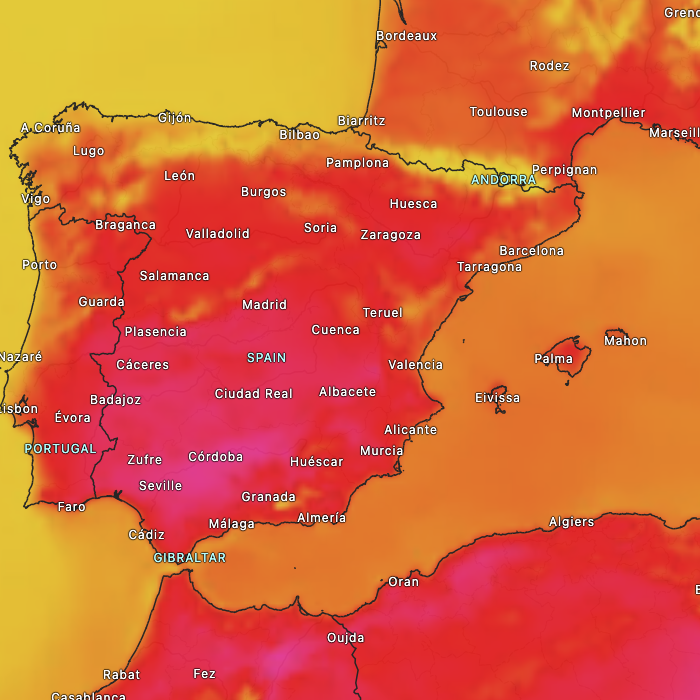
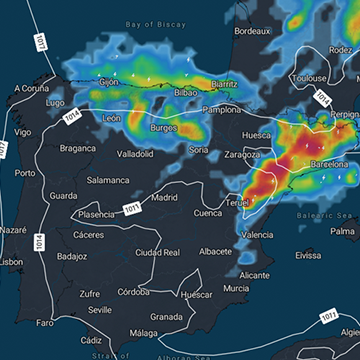
Yesterday, Sunday, the last day of the meteorological spring brought maximum temperatures exceeding 40°C to Andalusia. Sea surface temperatures in the Balearic Sea have reached up to 24°C, setting new records for the end of May.
Today, the meteorological summer begins once again with the well-known Andalusian heat. In the province of Córdoba, maximum daytime temperatures of 39°C to 40°C are forecast.On Tuesday, cooler air masses from the northwest will push into the south of the Iberian Peninsula, bringing Málaga the familiar hot northwesterly wind #Terral and temperatures of 36°C to 38°C. In the Murcia region, temperatures may even reach 39°C to 40°C.
With the start of the meteorological summer in Spain, nights will no longer provide much relief from the heat. Those without air conditioning are likely to experience many sleepless nights once again.
Tropical Nights and Equatorial Nights – What Do They Mean for Your Health?
During the summer months, Spain increasingly experiences so-called Noches Tropicales (Tropical Nights) and Noches Tórridas or Ecuatoriales (Torrid or Equatorial Nights). These warm nights can significantly affect sleep quality, performance, and overall health.
What Is a Tropical Night?
A Tropical Night (Noche Tropical) occurs when nighttime temperatures do not fall below 20°C (68°F).
Possible Effects
Restless sleep
Frequent waking during the night
Fatigue the following day
Difficulty concentrating
Increased strain on the cardiovascular system
What Is a Torrid or Equatorial Night?
A Torrid Night (Noche Tórrida) or Equatorial Night (Noche Ecuatorial) occurs when temperatures remain above 25°C (77°F) throughout the night.
These nights are considered particularly stressful because the body has little opportunity to recover from the daytime heat.
Health Risks
Sleep deprivation
Exhaustion and heat stress
Circulatory problems
Increased risk of dehydration
Greater danger for elderly people, young children, pregnant women, and individuals with chronic illnesses
How to Stay Safe During Tropical Nights
1. Stay Hydrated
The body continues to lose fluids through perspiration during the night.
Recommendations:
Drink 2 to 3 liters of water throughout the day.
Increase fluid intake during extreme heat or physical activity.
Avoid alcohol whenever possible, as it promotes dehydration.
Limit sugary beverages.
2. Keep Your Home Cool During the Day
Close windows and shutters in the morning.
Use blinds or curtains.
Avoid direct sunlight indoors.
Switch off unnecessary electrical appliances, as they generate additional heat.
3. Ventilate Properly at Night
Open windows only when the outdoor temperature is lower than the indoor temperature.
Create cross-ventilation whenever possible.
Fans can help improve air circulation.
4. Eat Light Meals
Heavy meals place additional strain on the body.
Recommended:
Salads
Fruits with high water content (watermelon, melon, peaches)
Vegetables
Light fish or poultry dishes
Less Suitable:
Fatty foods
Large evening meals
Very spicy dishes
5. Wear Appropriate Clothing
Choose light and breathable clothing made from cotton or linen.
Prefer light-colored fabrics.
Wear breathable sleepwear at night.
6. Optimize Your Bedroom
Use cotton or linen bed sheets.
A lukewarm shower before bedtime may help.
Cool foot baths can be very refreshing.
Keep your pillow as cool as possible.
7. Avoid Physical Exertion
During extremely hot nights, intensive physical activity should be postponed until the early morning hours.
Groups at Higher Risk
The following groups should take extra precautions during tropical and equatorial nights:
People over 65 years of age
Infants and young children
Pregnant women
Individuals with cardiovascular diseases
People with respiratory conditions
Those suffering from chronic illnesses
Family members and caregivers should regularly check on vulnerable individuals and ensure adequate hydration. Warning Signs of Overheating
Seek medical assistance or call emergency services immediately if any of the following symptoms occur:
Dizziness
Confusion
Severe headaches
Nausea or vomiting
Rapid heartbeat
Shortness of breath
Altered consciousness
Conclusion
Tropical nights (Noches Tropicales) and especially torrid or equatorial nights (Noches Tórridas or Ecuatoriales) are not only uncomfortable but can also pose serious health risks. Adequate hydration, maintaining a cool sleeping environment, and avoiding unnecessary physical strain can help the body cope with extreme heat. Particular attention should be given to vulnerable individuals during such nights.